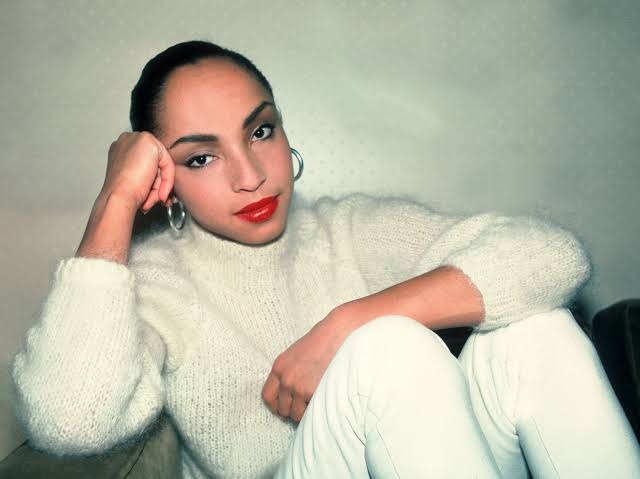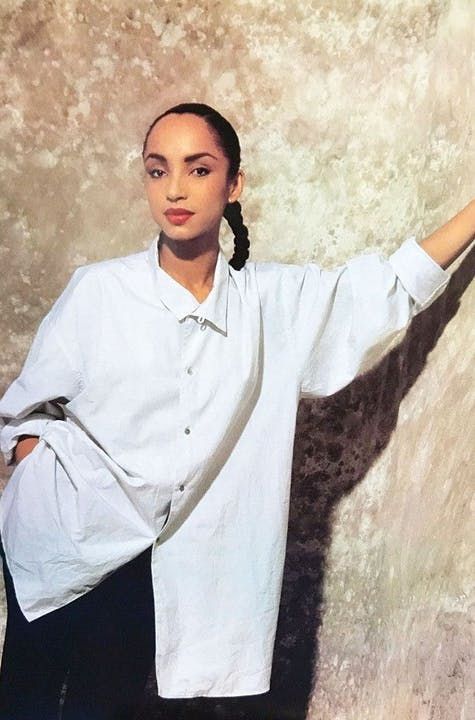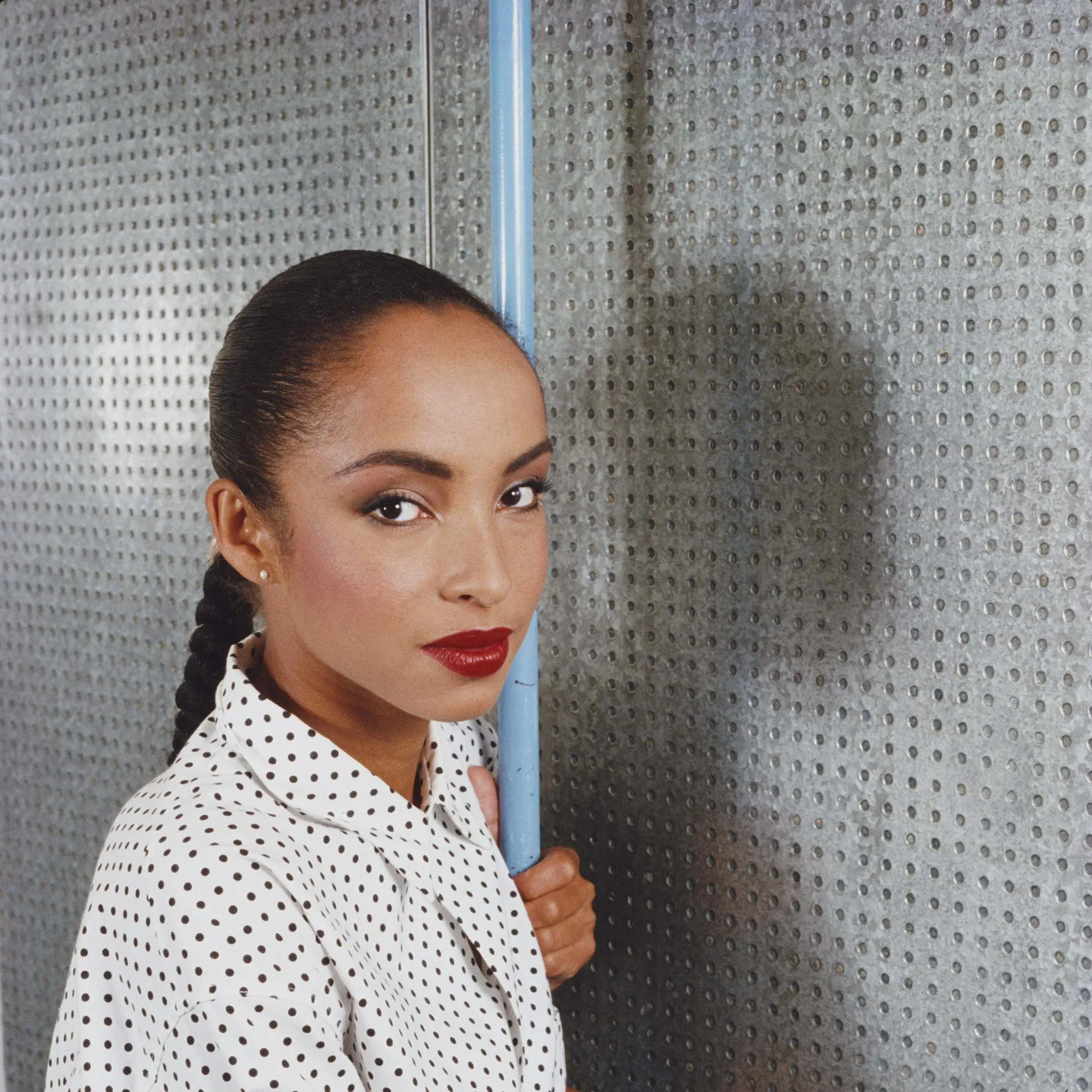
In 1984, when the worlds of pop music and fashion were at their loudest, most colorful, and most excessive, a young woman walked into the studio and silenced the noise with a single gesture. While oversized shoulder pads, electric neons, and mandatory leg warmers dominated the everyday aesthetic, Helen Folasade Adu known to the world simply as Sade arrived with an entirely different proposition. Wearing a silk polka-dot shirt, monumental gold hoops, a sleek, slicked-back ponytail, and a swipe of deep crimson lipstick, she possessed an instant, arresting presence. It was immediately clear that her style was not merely the passing whim of a decade, but the very embodiment of timeless elegance. The backless bodysuits, flawlessly tailored masculine trousers, and clean, understated knits, in which she famously performed on the Saturday Night Live stage, revealed a woman who did not follow the rules of fashion, but operated entirely above them.
This peerless visual sensibility was by no means an accident of fate. Before she captivated the world with her smoky, velvet vocals and hits like Smooth Operator or Your Love Is King, Sade studied fashion design at London’s prestigious Central Saint Martins. Graduating with a degree in menswear, she briefly modeled and even established her own label before destiny gently nudged her behind the microphone initially, she had only agreed to sing as a favor to a friend’s funk band. In a testament to her legendary loyalty, when major record labels began desperately bidding for her, she famously refused solo contracts, signing only on the condition that her beloved bandmates were signed alongside her.
Since then, the elusive singer has remained one of pop culture’s most fiercely guarded icons, her quiet, dignified aura continuing to captivate the world’s biggest stars. Her influence runs incredibly deep through modern music, particularly within hip-hop; Drake is famously so devoted to her that he has no fewer than two portraits of the chanteuse tattooed on his body, and has even commissioned a colossal statue of his muse for his home. Sade’s legacy stretches far beyond her sultry melodies; she remains the ultimate symbol of a cool, cerebral, yet deeply sensual femininity, whose style feels just as breathtakingly modern today as it did when she first stepped onto the scene.