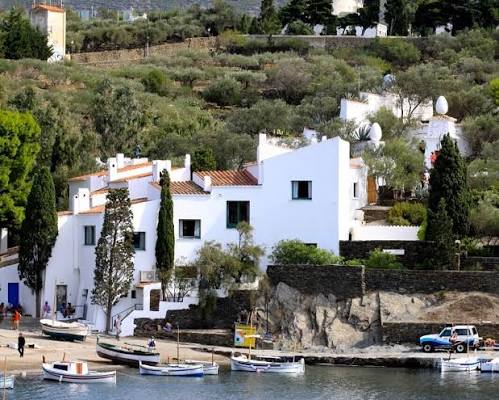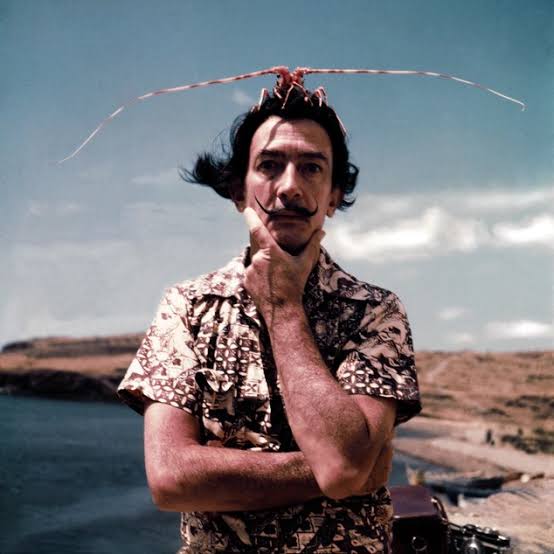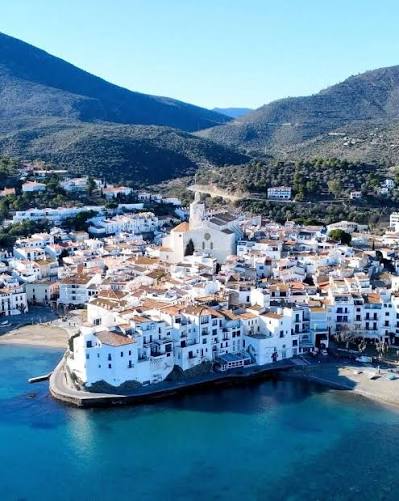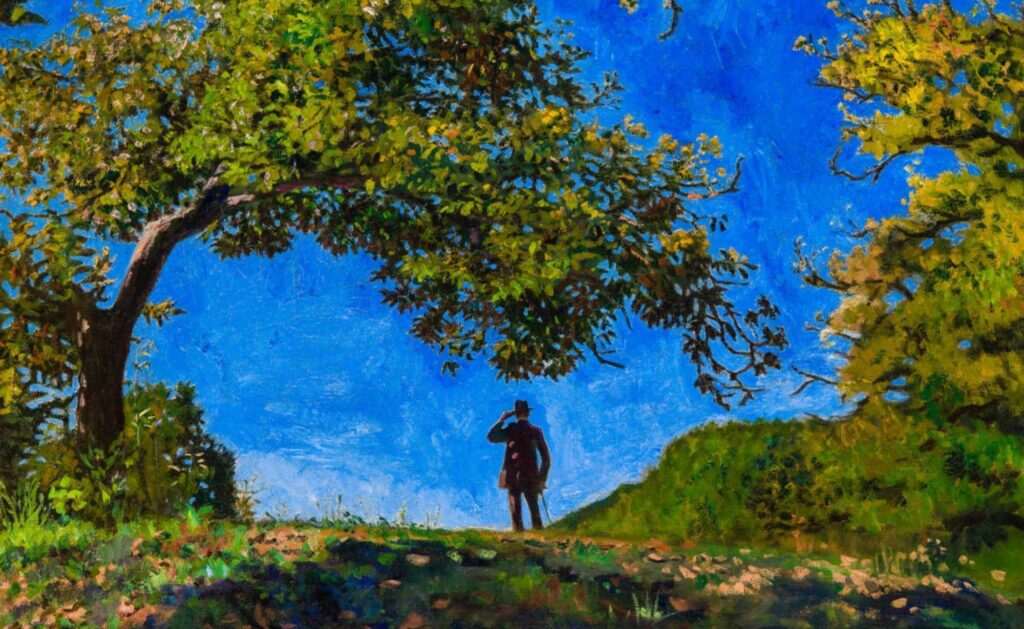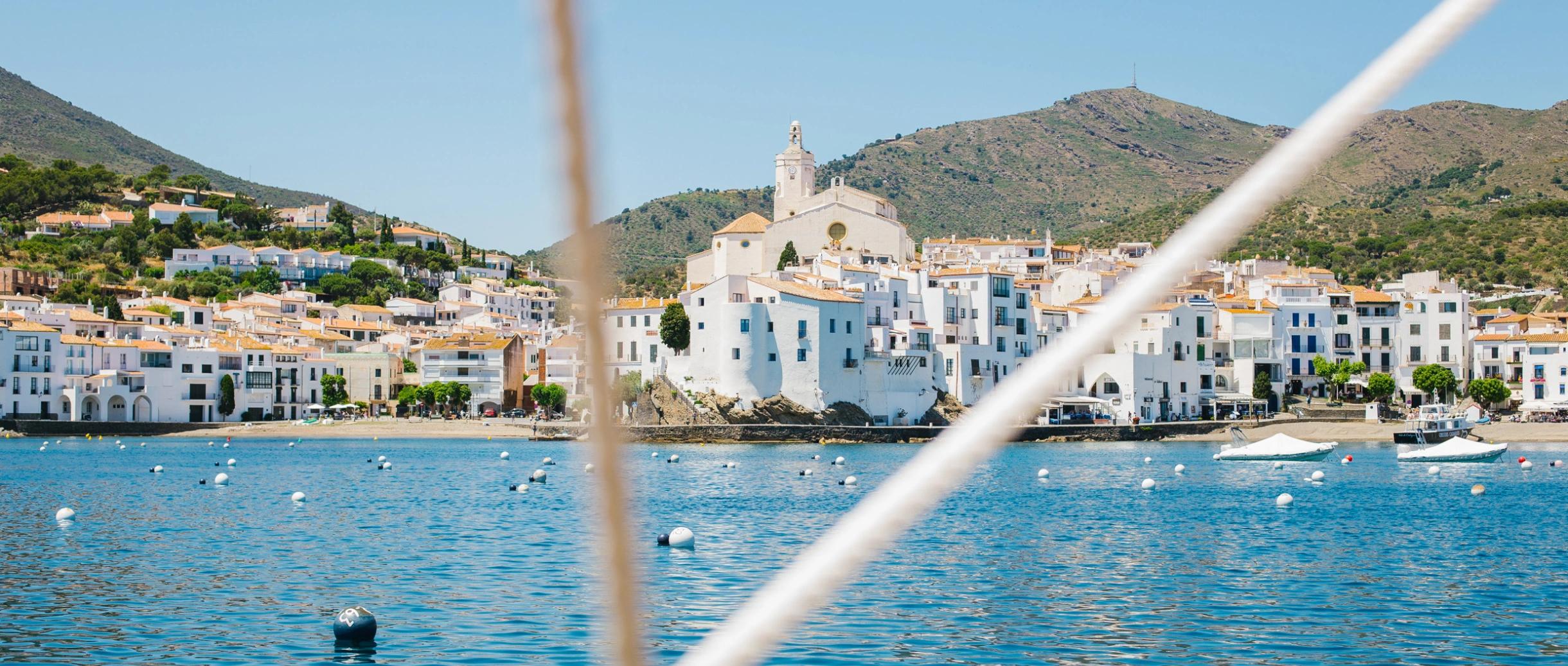
Stretching from the north of Barcelona all the way to the French border, the pine-covered cliffs and dramatic, wind-swept shores of the Costa Brava have long served as a sanctuary for free spirits and rebellious creators. Quite remarkably, the crown jewel of this coastline, the whitewashed enclave of Cadaqués, accessible only by a winding mountain road, aptivated Salvador Dalí, who established his surrealist universe in neighboring Portlligat, just as deeply as it did the other geniuses who drifted to its shores. Pablo Picasso spent the summer of 1910 here, where the sharp, brilliant Mediterranean light and the cubist geometry of the houses clinging to the hillsides fundamentally reshaped his vision, setting him on the path toward Synthetic Cubism. Later, Joan Miró and even Marcel Duchamp would find their ultimate creative peace here; indeed, Duchamp so adored the village’s quiet isolation that in his twilight years, he spent almost every summer playing chess on the salt-kissed terraces of local cafés. It is this enduring, intellectual charm that makes Cadaqués feel like a quieter, more soulful sister to Ibiza—one blessed with a deeper, more contemplative spirit.
While Spain’s southern coasts are defined by a louder energy, here, the rhythm is dictated by the gentle ebb of the tide and the silence of hidden, turquoise coves. A new generation of creators – young artists, visionary chefs, and far-seeing dreamers – is now reimagining this mythical coast with an incredibly light touch. The moment to discover it is precisely now, before the tides of mass tourism wash away its delicate allure.
Should you wish to rest after a day of coastal wandering, the region’s sanctuaries beautifully carry this artistic legacy forward. The former home of painter Joan Ponç, a close friend of Dalí and a towering figure of the Catalan avant-garde, has been transformed into Casa Nereta, a serene twelve-room boutique hotel. Here, beneath arched windows that frame the soft Mediterranean light, amidst delicate hand-painted ceramics and understated furnishings, the creative energy of the last century feels almost tangible. If you find yourself drawn instead to medieval charm and cobblestone pathways, the historic heart of Begur hides La Bionda, an elegant, eight-room seventeenth-century townhouse. Inside, the spaces are layered with exquisite vintage treasures, plush velvet headboards, and whimsical, beaded casino lamps. A languid afternoon spent on the lush rooftop terrace, complete with a bespoke massage, is quite simply worth the journey alone.