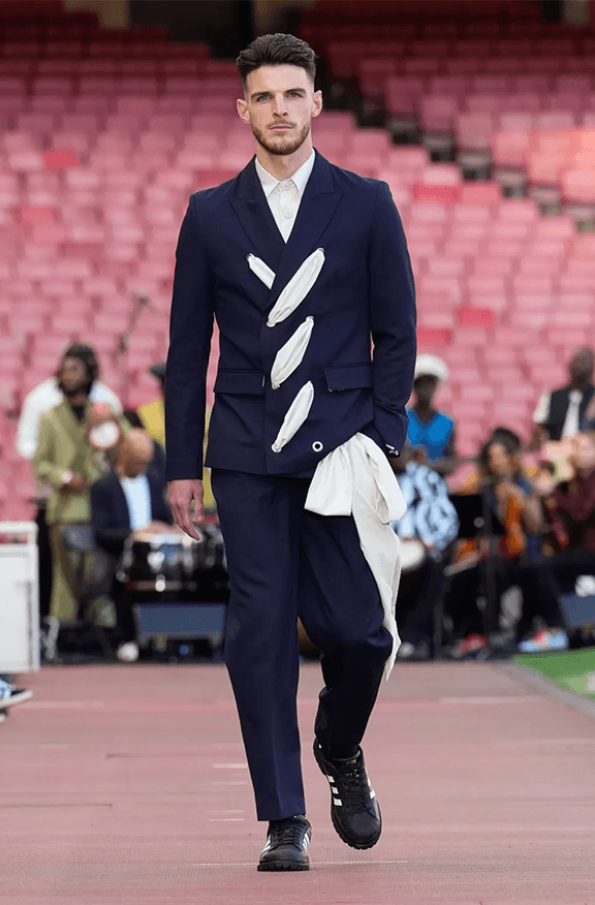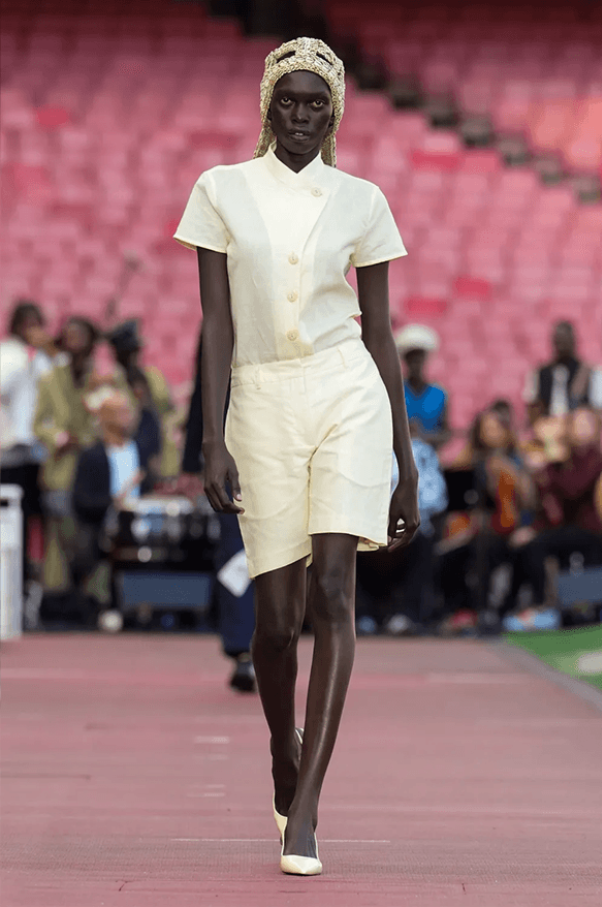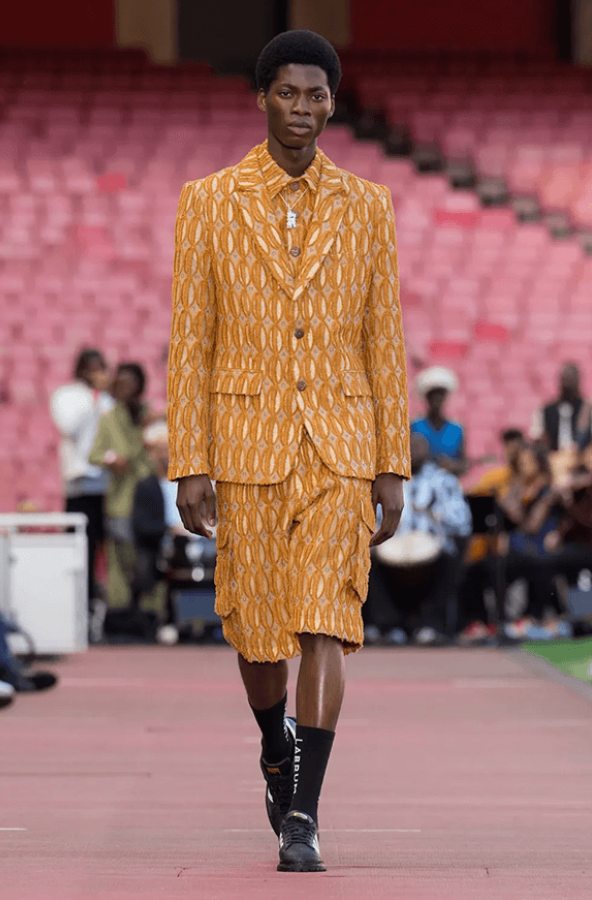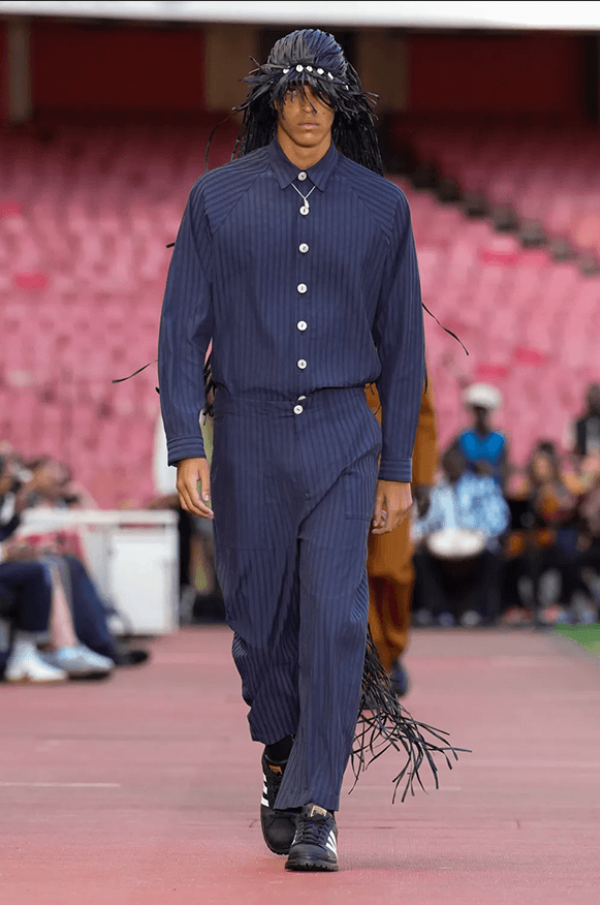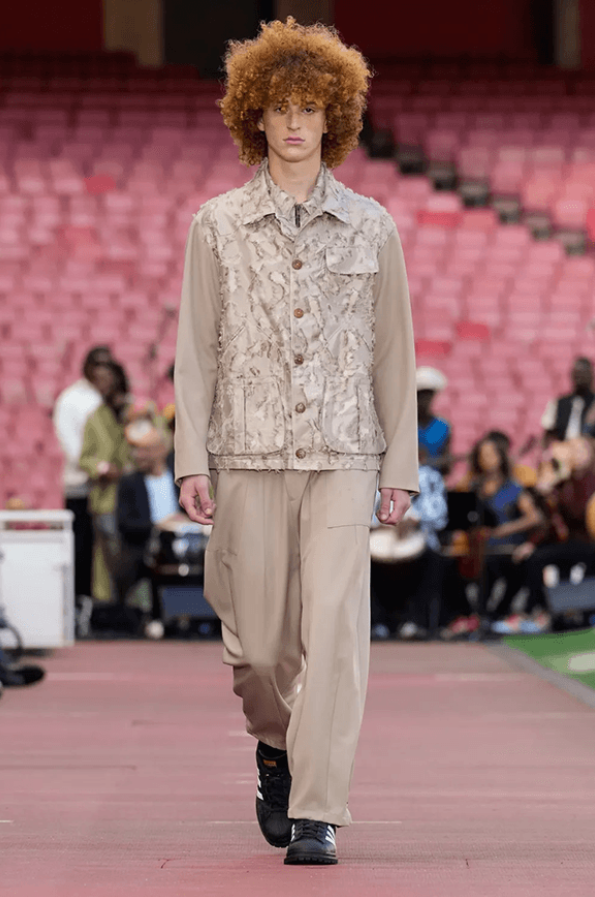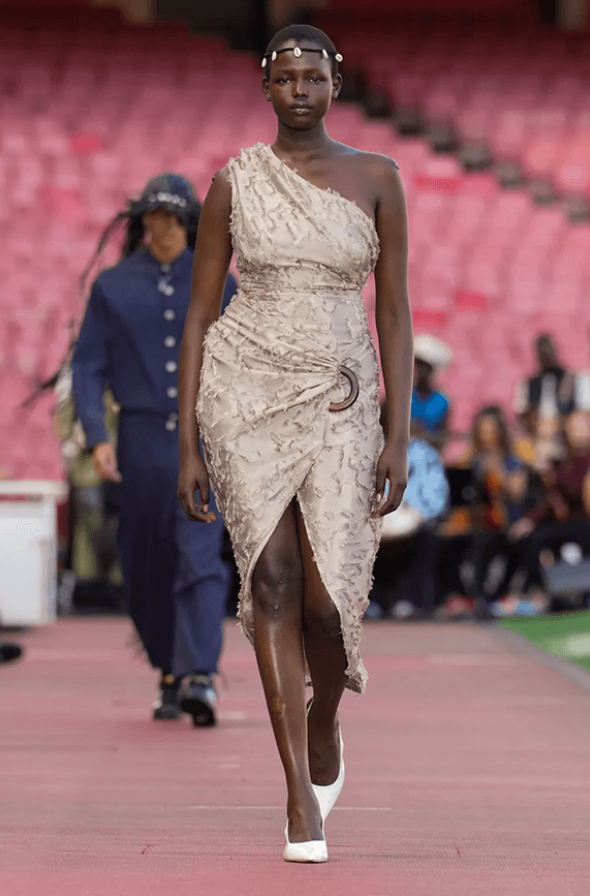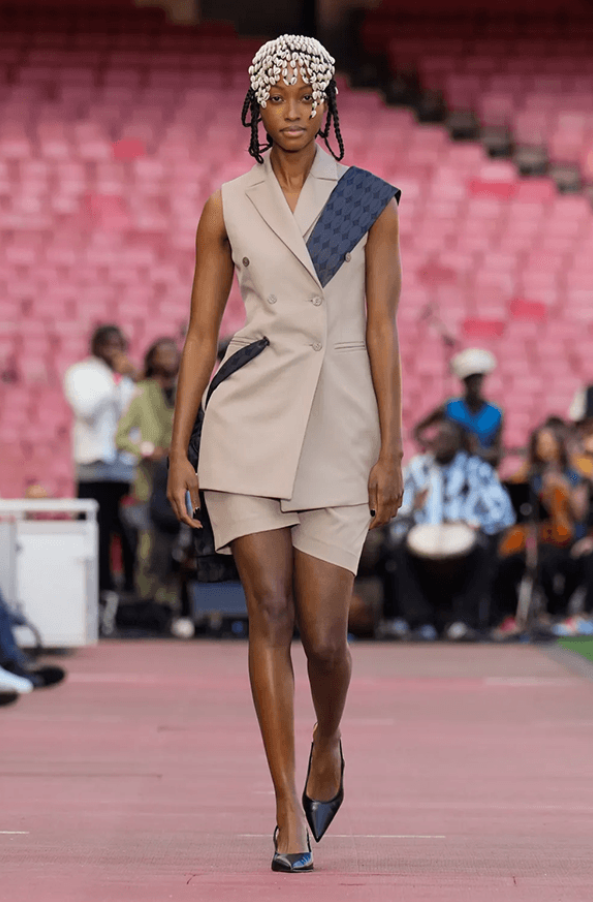
North London’s Arsenal FC is a cultural reference point that has been instrumental in the formation of Black British identity. While the sporting world is often inclined to separate the stadium from street culture, the boundaries at Arsenal have become increasingly permeable. Dr. Clive Nwonka’s Black Arsenal documents this transition, tracing how the club has woven sporting excellence into the fabric of community self-identity, offering a space where Black British fans can authentically be themselves. The club’s social impact is deeply rooted in a history of integration. In 2002, Arsenal became the first top-flight English side to field nine Black players, a move that served as both a political and cultural statement. For young people living in boroughs like Hackney and Haringey, this visibility marked a radical shift: for the first time, they saw their own reflections mirrored back at them on the pitch. This representation extended far beyond the stadium walls. Icons of the ‘Invincibles’ era, Ian Wright and Thierry Henry, provided a blueprint for style that transcended football. Wright’s raw, outspoken dynamism paired with Henry’s elegant, Parisian poise created an aura that fundamentally defined what it meant to be Black and British in London. Consequently, the club’s shirts, crest, and identity became an essential visual code within London’s rap and drill scenes, as well as the Notting Hill Carnival.
Places and Faces
In the fashion industry, Arsenal has become a form of cultural currency. According to the Places and Faces principle, the value of a garment lies not in the logo, but in the specific communal spaces and faces to which it is tethered. When luxury brands draw inspiration from street style, they often risk sacrificing this essence: by adopting the surface aesthetic, they risk hollowing out the underlying identity. While the fashion world has successfully integrated sportswear into high fashion, authenticity is only found in those brands that possess a genuine understanding of the London milieu. Adidas, for example, draws from its archives to reclaim the visual language of 1990s Black British football culture. Meanwhile, the fashion house LABRUM fuses West African heritage with traditional British tailoring, reflecting the specific communities connected to Arsenal; their work serves as a prime example of how identity can be elevated into fashion without losing its roots. Joining them is Samuel Ross, who through his collaboration between Nike and A-Cold-Wall, has elevated the aesthetics of the London working class, the starkness of concrete, and technical sportswear into the realm of luxury, proving that Black British identity is a defining feature of contemporary fashion.
As editors in the fashion industry, we must confront the paradox: the synergy between Arsenal and Black culture has remained authentic for decades because the community claimed it as its own. When luxury houses attempt to ‘tame’ this style and render it exclusive through price, they move in direct opposition to everything the club represents: inclusion and accessibility.
Style here is not a commodity to be bought, but a statement to be made. ‘Tamed’ streetwear,no matter how visually striking, will never achieve the authenticity felt by a lifelong supporter pulling on their shirt.