The fashion industry currently finds itself in the midst of a peculiar, dystopian metamorphosis. Zara, the flagship of the Inditex empire, has adopted a strategy in recent years to consolidate its market position: the strategic ‘borrowing’ of the contemporary creative elite. When names like Narciso Rodriguez, Stefano Pilati, Samuel Ross, or Ludovic de Saint Sernin first appeared on Zara labels, the industry responded with a mix of intrigue and surprise. However, with the 2026 signing of John Galliano, the process has hit a critical tipping point. The question is no longer who will be next, but rather, what is the cost of creative integrity in a machine built upon mass-market exploitation?
Galliano and the Anomaly: When Haute Couture Strays into Cheap Fabric
John Galliano’s arrival at Zara is not merely a business move; it is a cultural shock. Galliano, who elevated deconstruction to an art form at Dior and Maison Margiela, is now tasked with ‘re-authoring’ the Zara archives. This shift is a jarring departure from his predecessors. While previous collaborations focused on minimalism or the modernisation of silhouettes – think of Willy Chavarria’s sharp, powerful, broad-shouldered cuts – Galliano’s appointment feels like a concerted attempt to transplant the aura of couture into the realm of mass production. It is a deeply paradoxical gesture: a designer whose entire legacy is built upon individual craftsmanship and artistic uniqueness is now being integrated into a structure that represents the very antithesis of those values: total uniformity.
Creative Washing as a Business Model
Zara’s strategy is transparent: brand elevation. The objective is twofold. Firstly, Zara is desperate to shed the pejorative stigma of ‘fast fashion’ and stake a claim in that elusive grey zone between luxury and high-street accessibility, where prestige is the ultimate currency. Secondly, it is a classic technique of distraction, let’s call it ‘Creative Washing’. While the fashion press and the public argue over the nuances of a Galliano hemline, the grave ethical questions surrounding the Inditex group are pushed into the shadows: the lack of transparency in the supply chain, allegations of labour exploitation, and the political controversies that have recently sparked widespread boycotts. These collaborations serve as an effective shield; the blinding light of creative genius obscures the moral deficits underneath.
The Dilemma for the A-List
Why do these seminal creative minds agree to the terms? The answer lies in global visibility and limitless manufacturing capacity. For an independent designer, Zara offers an opportunity to reach millions, a scale impossible within the constraints of a traditional luxury house. Yet, in doing so, they gamble with their own legacy. When an A-list creator lends their name to a firm with a questionable ethical record, their own credibility inevitably comes under scrutiny.
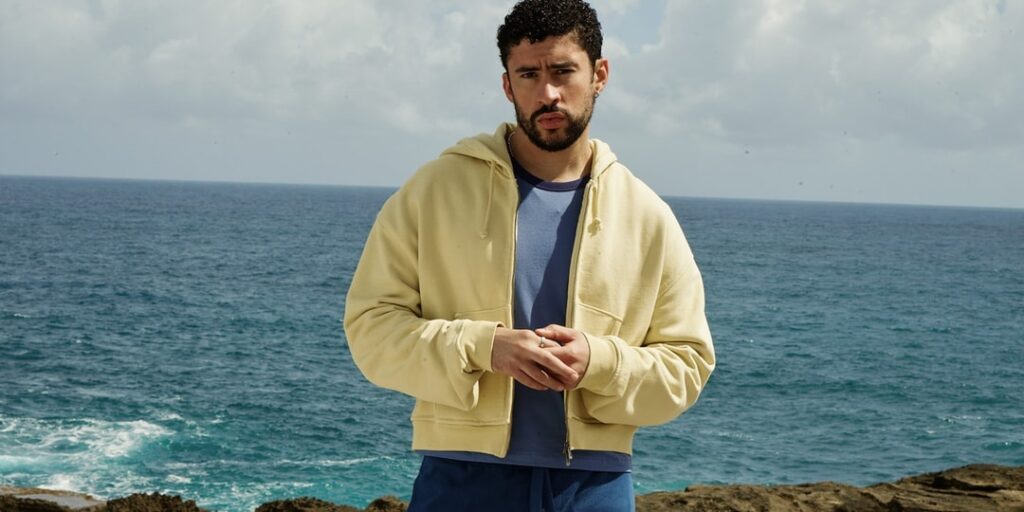
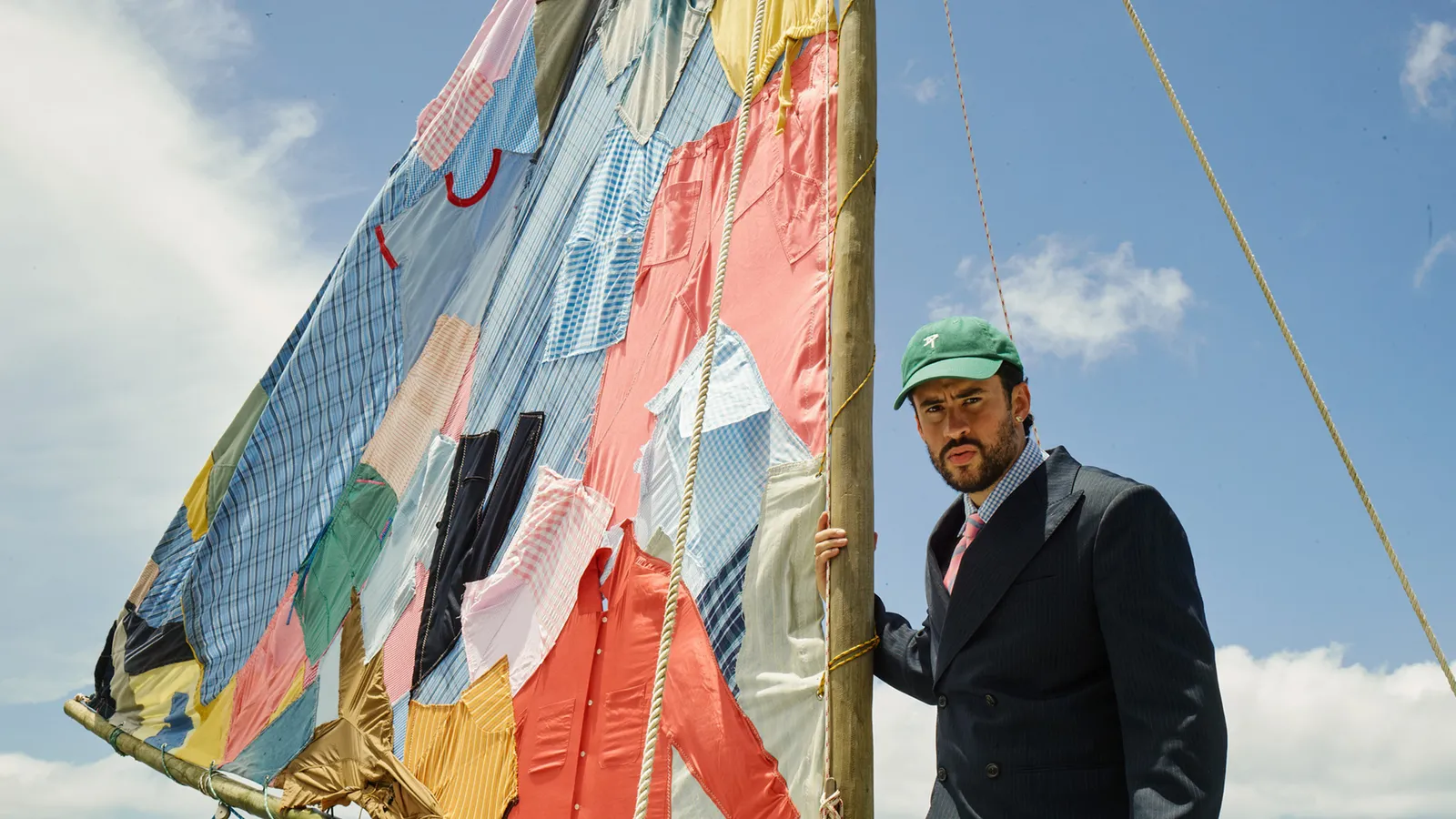
The case of Bad Bunny illustrates this risk perfectly: the furore surrounding the Benito Antonio collection proved that today’s audience is not just buying a product; they are vetting the values behind it. When a chasm opens between a brand’s stated ethos and its corporate practice, a collaboration will, sooner or later, devolve into a PR catastrophe. The Zara model has reached a point where the lines between art and ethics have blurred into nothingness. For those of us in the editorial and curatorial chair, the question remains: how long can this form of ‘cultural borrowing’ be sustained before it consumes the fundamental integrity of the fashion industry? Galliano and his peers undoubtedly elevate Zara’s aesthetic standing, but the question remains: is a beautifully tailored garment enough to make us forget the cost of its production?
The answer, quite simply, is no. In today’s climate, fashion cannot merely be aesthetic; it must be authentic. And on that front, Zara remains very much in debt.