What, one wonders, compels a promising young law student to abandon his legal briefs for brushes, and trade agricultural studies for the canvas? The answer, as is so often the case, is a woman. But she was no ordinary muse.
Fialka Olga: The Polymath Behind the Scenes
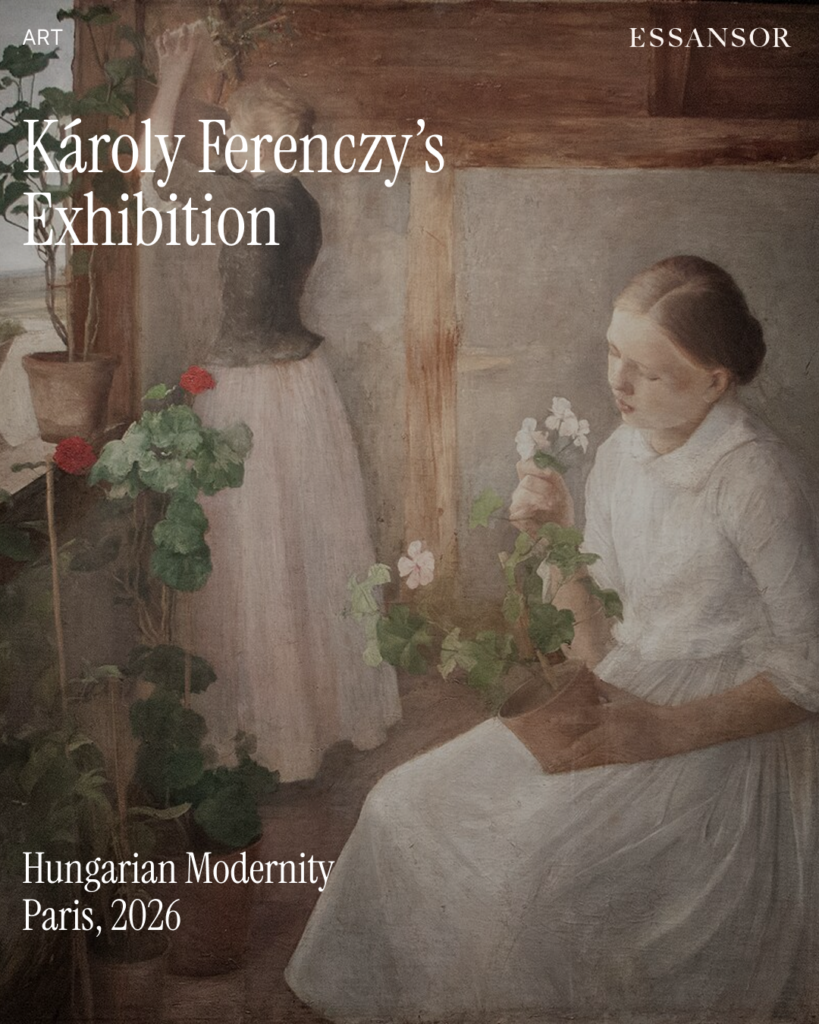
Károly Ferenczy’s career was not forged in the bohemian haunts of the artist quarters, but within the refined sanctuary of the family home. It was his cousin – and later his wife – Fialka Olga, who discerned the slumbering genius within him. Olga was an uncommonly cultured woman; a polyglot with a formidable intellect who had distinguished herself with exceptional draughtsmanship from a remarkably young age.Although she began as one of her era’s most promising portraitists, she chose to quiet her own artistic ambitions following their marriage. She redirected her formidable energy into the stewardship of her husband’s and children’s careers. While Károly chased the plein air light, Olga managed a veritable artistic dynasty from the shadows. Under her watchful eye, the “Holy Trinity” of Hungarian art was raised: Valér, the painter and graphic artist; Noémi, who single-handedly reimagined the art of tapestry; and Béni, one of the giants of modern Hungarian sculpture.
A Convergence of Gilded Worlds
The Ferenczys’ work flourished during an era that every nation sought to claim with its own superlative title. While Ferenczy observed the effervescent sparkle of the Belle Époque in Paris, Great Britain was experiencing the twilight of the Victorian (and later Edwardian) age. Across the Atlantic, the United States revelled in the Gilded Age – an era defined by its staggering wealth and relentless optimism. It was within this international aesthetic crucible that Ferenczy’s art became both singular and timeless.
From Delicate Naturalism to the Drastic Cut
Ferenczy was never one to shy away from unflinching self-criticism. He famously “excised” his first period in Szentendre from his oeuvre, claiming that, at the time, he understood neither life nor art sufficiently. But the drama did not end there. He found his final masterpiece, the Pietà, so far from his ideal of perfection that he simply carved it up. What hangs today in the National Gallery and in Szentendre as separate works, such as the Dead Christwas originally part of a single, monumental canvas. There is a certain sublime audacity in an artist who possesses the confidence to cut through his own vision.
A Tryst at the Petit Palais
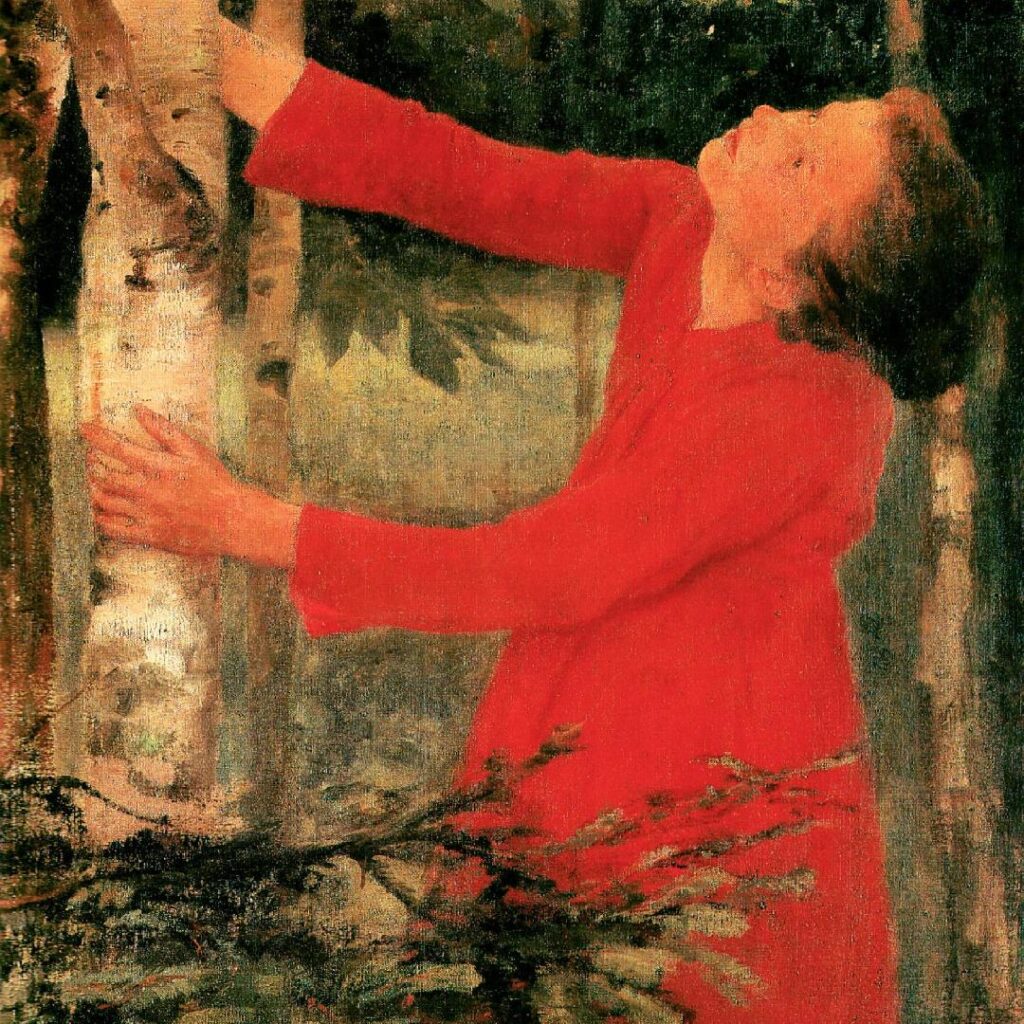
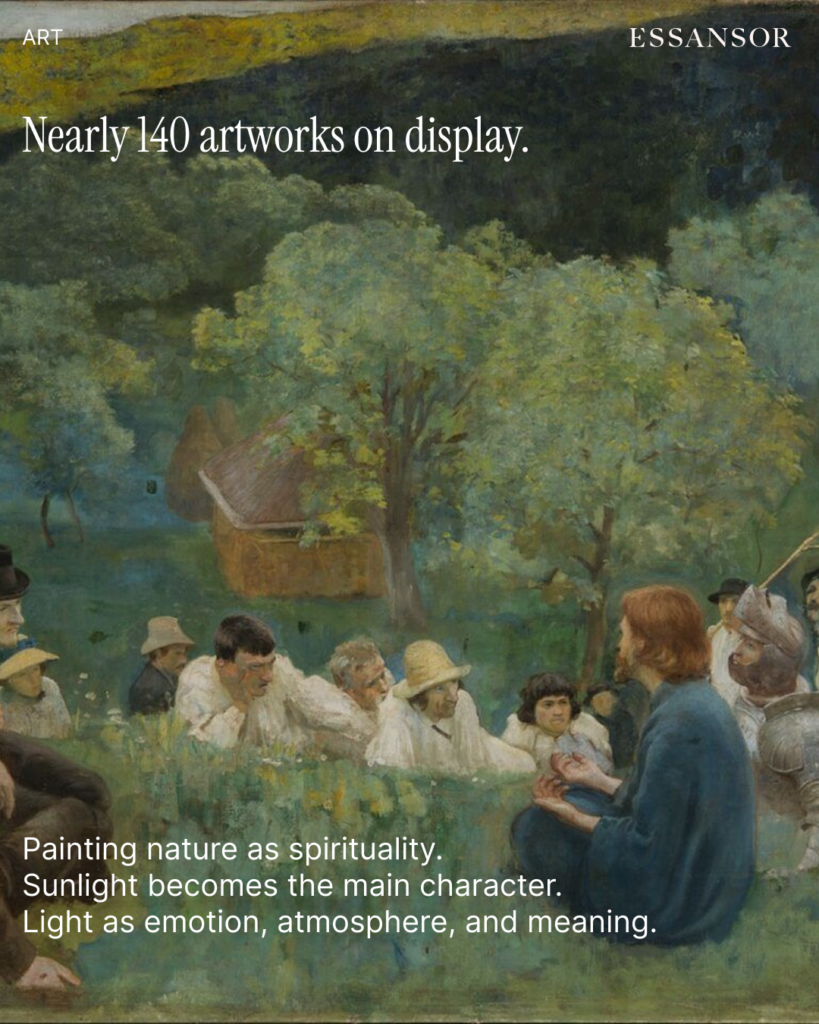
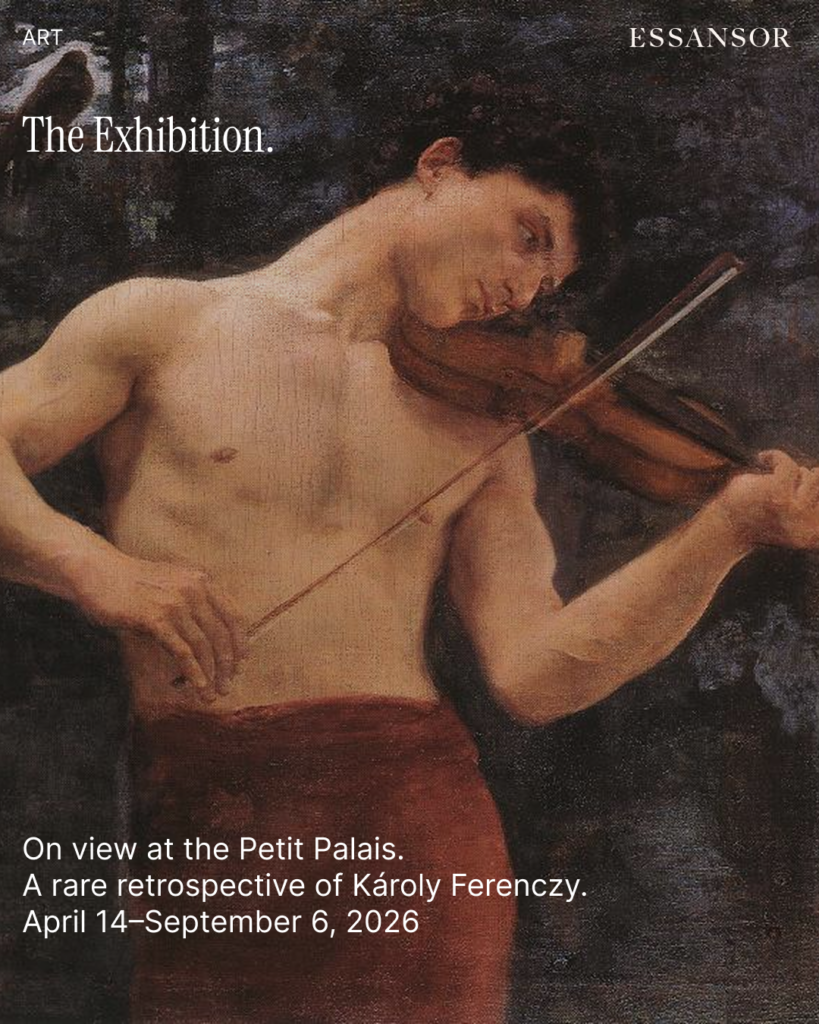
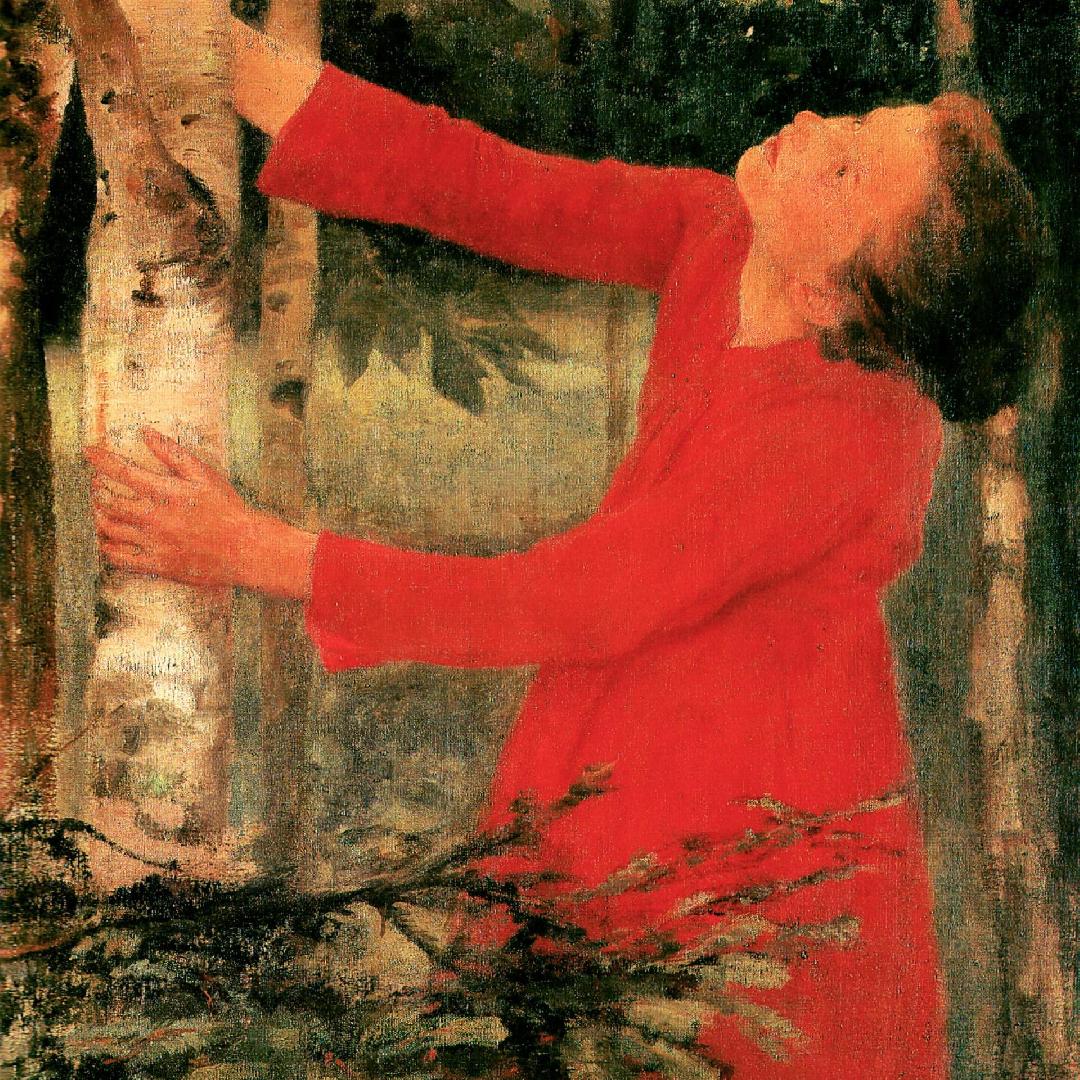
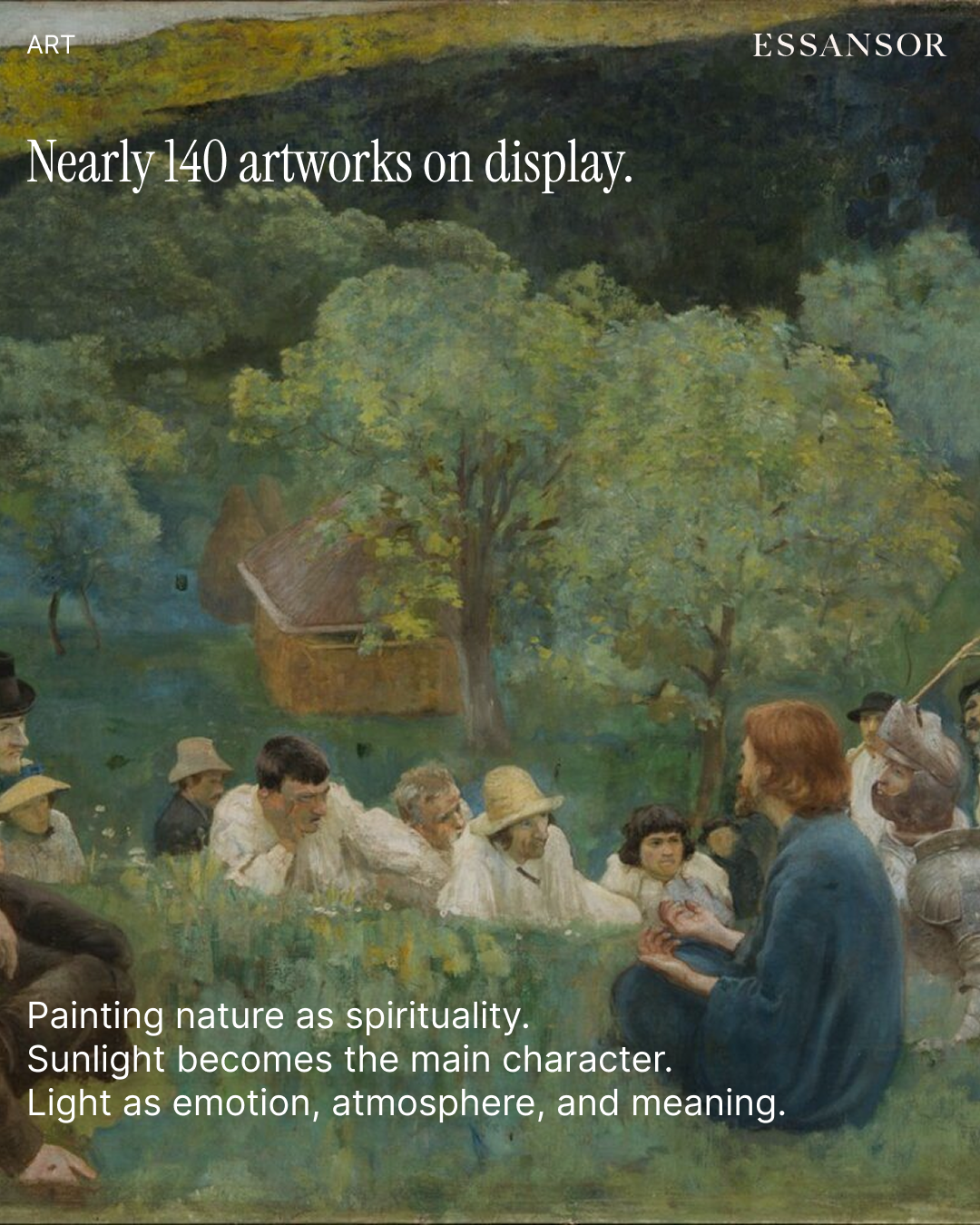
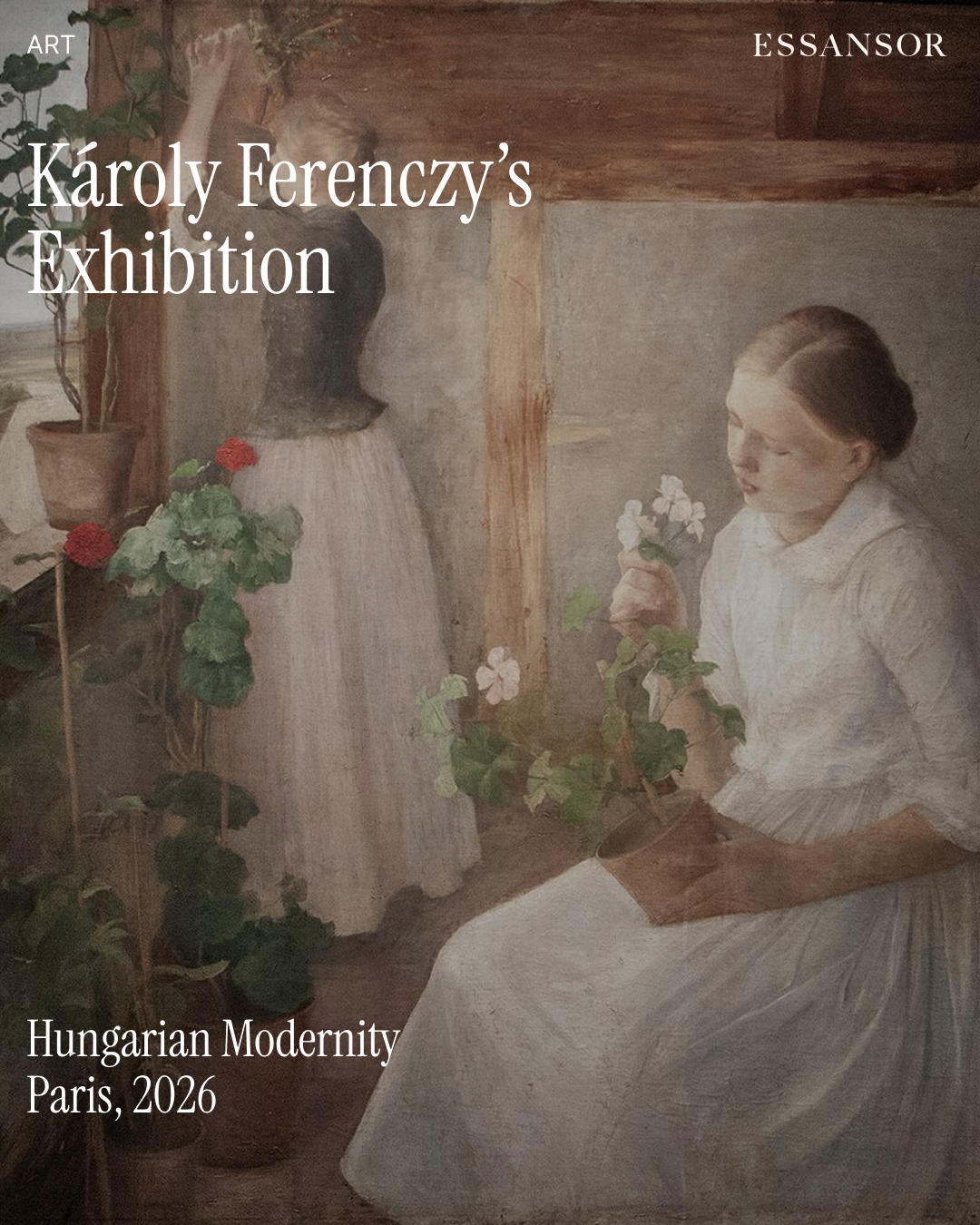
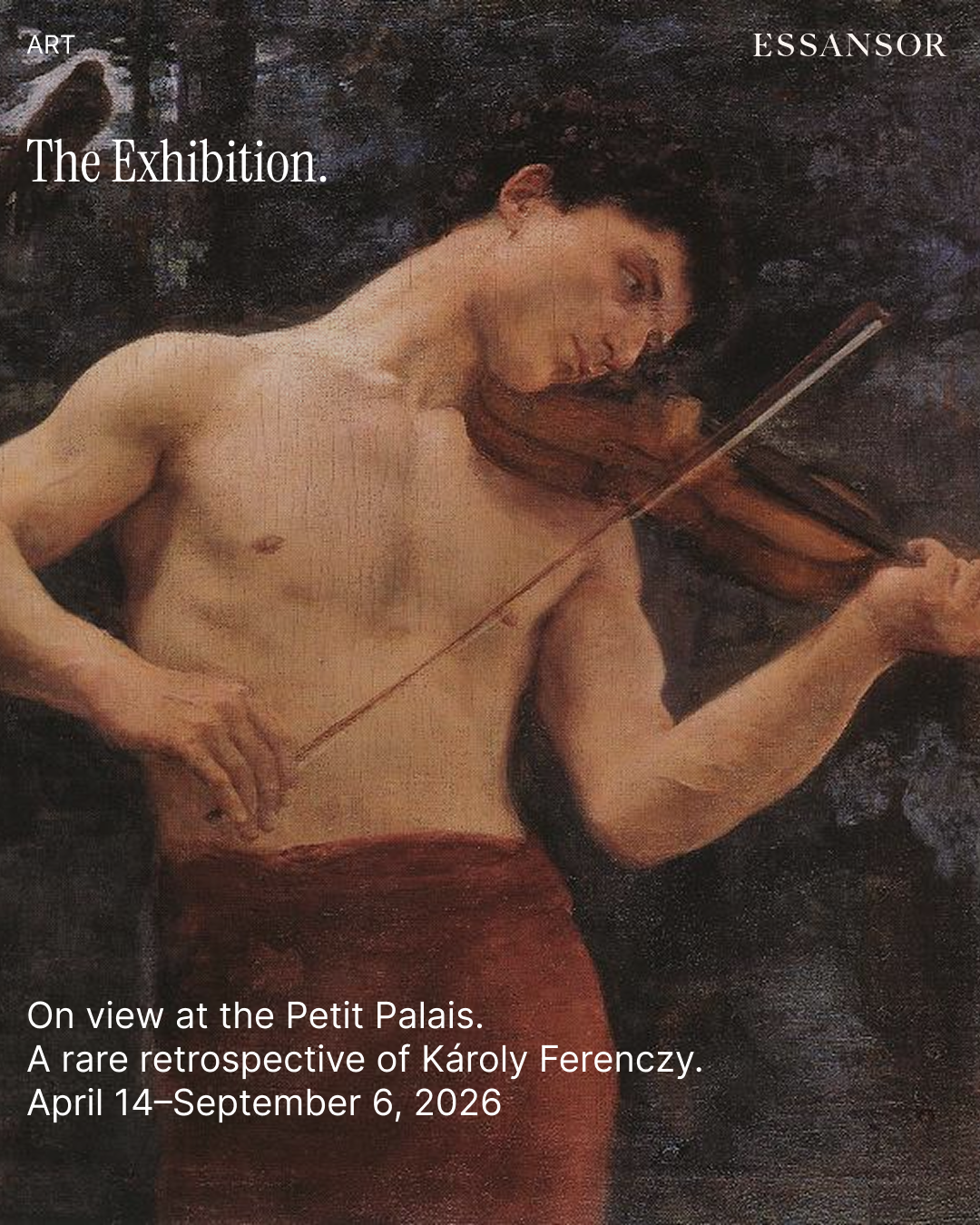
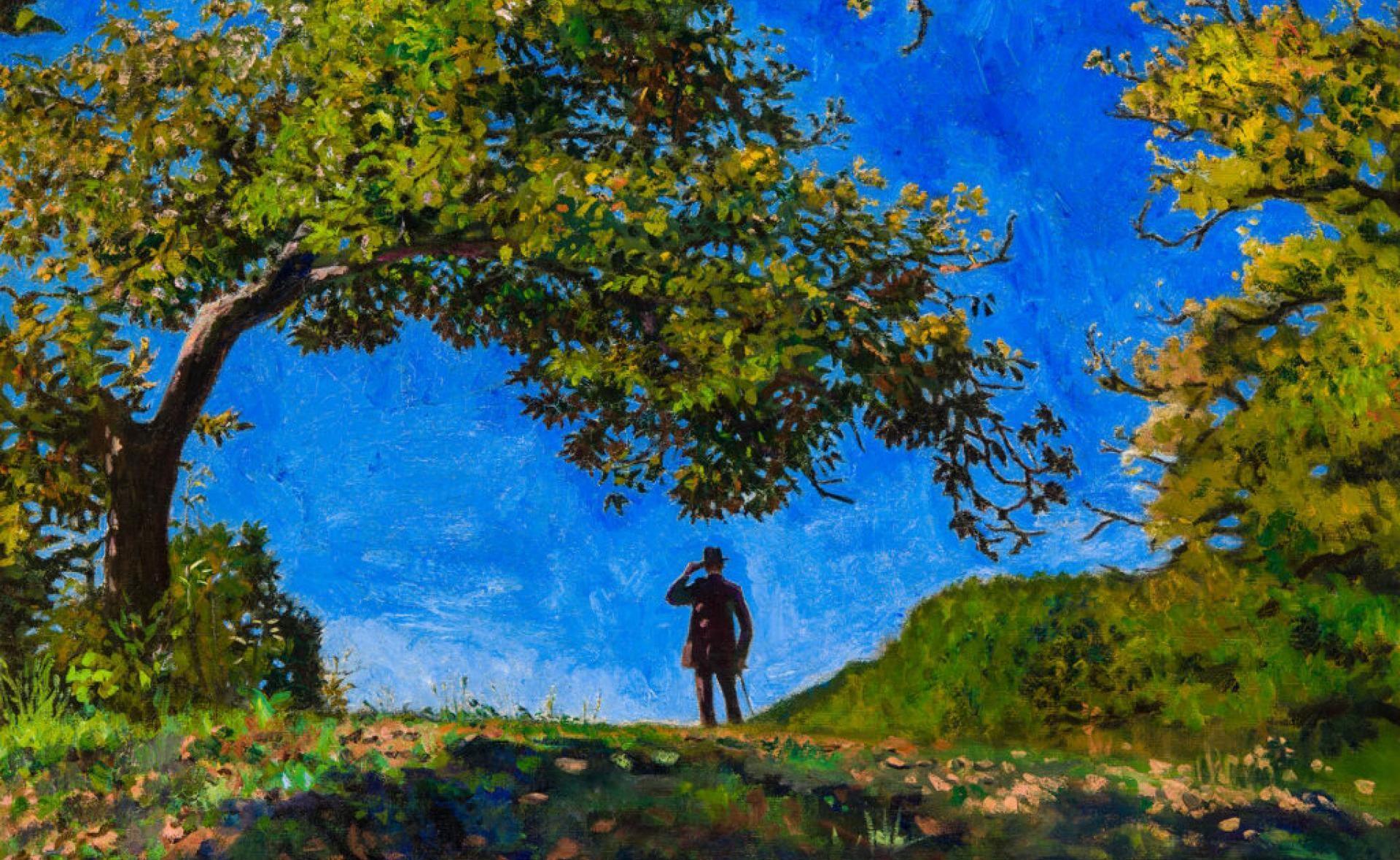
Now, in 2026, Paris finally grants him the homage he deserves. Within the grand halls of the Petit Palais, nearly 140 works illustrate his obsession with the transformative power of sunlight. The exhibition’s curators even sought out the atmosphere of the Ferenczy family home in Szentendre to truly grasp the miliéu where the foundations of modern Hungarian painting were laid.
And why, you might ask, is it essential viewing? Because Ferenczy’s painting is like a perfectly tailored couture gown: it is built upon classical foundations, yet remains eternally modern through its exquisite handling of colour and light.
Should you find yourself in Paris before the 6th of September, do not limit your visit to the boutiques of the Champs-Élysées. Step into the cool, hushed galleries of the Petit Palais. Walking among Ferenczy’s nudes and circus performers, you may well rediscover that quiet radiance that he – and the ever-constant Olga – understood better than anyone.